Source Waterproof Inflatable Air Bed for Home Camping Outdoor
Compare 30 listings for the waterproof inflatable air bed designed for home, camping, and outdoor use. Buyers can evaluate features like built-in pumps, customization options, and durability across various models from suppliers in Guangdong, China.
Key considerations
Products List


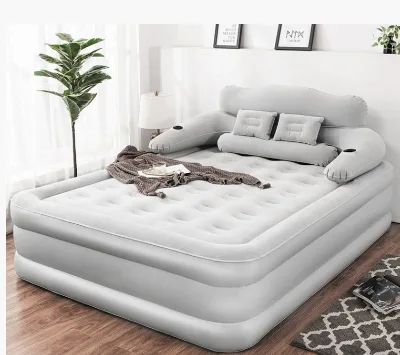


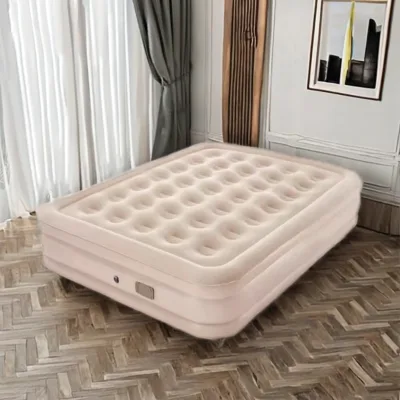
Comprehensive Sourcing Guide
Strategic Sourcing Guide for Waterproof Inflatable Air Beds
Navigating the global market for waterproof inflatable air beds requires a disciplined approach that balances technical specifications, regulatory compliance, and supply chain reliability. For B2B buyers, the distinction between a generic air mattress and a specialized waterproof unit is critical, as the intended application—ranging from indoor bedroom furniture to rugged outdoor camping—dictates the necessary material science and construction standards. This guide synthesizes available product data and industry best practices to provide a comprehensive framework for sourcing these products effectively.
Technical Specifications and Material Composition
The foundational element of any inflatable air bed is its construction, which determines its waterproof integrity and durability. Based on observed product attributes, the market offers units with specific design characteristics that buyers must verify against their requirements. A primary observation is the variation in dimensions, with standards ranging from compact camping sizes like 20010045CM to larger double-user configurations such as 20315215cm. Furthermore, specialized variants exist for specific applications, such as the inflatable truck bed mattress, which features distinct dimensions like 66.9"L x 65"W to fit vehicle cargo areas.
Material selection is paramount for waterproofing. The supplied data indicates the use of "Flocking" as a cover material, which provides a soft, non-slip surface texture often preferred for home and bedroom applications. However, for outdoor and camping scenarios where waterproofing is non-negotiable, buyers must ensure the underlying PVC or TPU layers are fully sealed. The product attributes highlight a "Soft" hardness rating, suggesting a focus on comfort, yet the "Durable" classification implies that the material must withstand repeated inflation and deflation cycles without leaking.
The inflation mechanism is another critical technical specification. The market presents two distinct categories: units with "Built-in Pump" or "Self Inflating" features, and those requiring manual inflation. The presence of a built-in pump significantly enhances user convenience, particularly for single or double users in home settings. Conversely, "Self Inflating" models often utilize open-cell foam technology to expand rapidly, though they still require final inflation to reach optimal firmness. Buyers should verify the power source for electric pumps (AC/DC compatibility) and the reliability of the valve systems, which are often cited as "Special Feature: Inflate" in product listings.
Compliance and Certification Verification
In the B2B sector, regulatory compliance is not merely a formality but a prerequisite for market access and liability protection. The observed product data lists several key certifications, including ICTI, ISO90001, and GSV. These certifications indicate that the manufacturer adheres to specific standards regarding labor practices, quality management systems, and social compliance. For buyers targeting the North American market, the presence of CPC (Children's Product Certificate), EN71, and ASTM testing data is essential. These standards ensure that the materials used, particularly the PVC or TPU, do not contain harmful levels of phthalates or heavy metals, which is a strict requirement for products marketed for children or general household use.
When evaluating a potential supplier, buyers must request current test reports rather than relying on generic claims. The "Testing" attribute in the data suggests that products undergo rigorous scrutiny, but the specific test results must be validated for the specific batch being ordered. For instance, if the product is intended for "Camping Hiking Festivals," the material must meet specific flammability and puncture-resistance standards that may differ from those required for "Bedroom Furniture." The "OEM/ODM" capability noted in the data implies that suppliers can customize products, but this customization must not compromise the integrity of the original certifications. Buyers should explicitly confirm that any custom logo or color changes (such as "Dark Blue or Any Color You Want") do not alter the chemical composition of the base material in a way that voids existing certifications.
Cost Drivers and Pricing Dynamics
Understanding the cost structure of inflatable air beds is vital for budgeting and margin analysis. The observed price range in the market spans from 3 to 238 USD, a significant variance that reflects differences in quality, features, and order volume. Several factors drive these costs. First, the inclusion of a "Built-in Pump" or "Self Inflating" technology adds substantial manufacturing complexity and material cost compared to basic manual-inflation models. Second, the "Customization" aspect, including "Customized Logo" and specific color requests, introduces additional setup and tooling expenses.
The Minimum Order Quantity (MOQ) is another primary cost driver. The data shows an observed MOQ range of 1 to 1000 units, with specific listings citing 300 PCS or 300PCS as a standard threshold. Ordering closer to the lower end of the MOQ spectrum often results in a higher unit price due to the fixed costs of production setup being amortized over fewer units. Conversely, larger orders can leverage economies of scale. Payment terms, typically "T/T" (Telegraphic Transfer) or "L/C" (Letter of Credit), also influence the financial risk and cash flow requirements for the buyer. Buyers should negotiate payment terms that align with their production schedules, especially when dealing with "Customized" orders that may have longer lead times.
Typical Applications and Usage Scenarios
The versatility of inflatable air beds allows them to serve diverse applications, from indoor residential use to outdoor recreational activities. The product attributes clearly delineate these usage categories. For "Home" and "Bedroom Furniture" applications, the focus is on comfort, aesthetics, and ease of use. Features like "Foldable" design and "Rectangular" shape are optimized for storage in closets or under beds. The "Flocking" cover material is particularly suitable here, providing a soft surface that mimics traditional bedding.
In contrast, the "Outdoor," "Camping," and "Hiking" segments demand robustness and portability. Products designed for these environments often feature "Inflatable Truck Bed" configurations, which are engineered to fit specific vehicle dimensions and withstand rough terrain. The "Single" or "Double" user capacity is a key specification for these applications, ensuring the bed can support the intended load without failure. The "Function" attribute, which includes "Camping Hiking Festivals Outdoor Picnics," highlights the need for durability against moisture, UV exposure, and sharp objects. Buyers must match the product's "General Use" classification with their specific end-user needs to avoid purchasing an indoor-rated mattress for outdoor expeditions, which could lead to premature failure.
Supplier Evaluation and Operational Capabilities
Selecting the right supplier requires a thorough evaluation of their operational capabilities and track record. The data indicates that manufacturers are located in "Guangdong, China," a major hub for manufacturing with established supply chains for plastics and textiles. When assessing a supplier, buyers should verify their "Customization" capabilities, including their ability to handle "Custom Logo" designs and "OEM/ODM" requests. The "Design Style" being listed as "Customizemodernd" suggests a capacity for modern, trend-responsive designs, but buyers should review portfolios to ensure the quality matches their brand standards.
Logistics and packaging are also critical evaluation points. The "Packing" attribute specifies "Each in a Mail Box" or "Carton Box," which impacts shipping costs and product protection during transit. A supplier that offers robust packaging solutions reduces the risk of damage during shipping, which is particularly important for inflatable products that can be punctured if not handled carefully. Additionally, the "Payment Term" flexibility and the ability to meet "MOQ" requirements are indicators of a supplier's financial stability and operational flexibility. Buyers should request samples to verify the "Condition" (New) and "Hardness" (Soft) before committing to large orders, ensuring the physical product matches the digital descriptions.
Quality Control and Long-Term Procurement Considerations
Implementing a rigorous quality control (QC) protocol is essential for maintaining product integrity and brand reputation. Given the "Durable" classification of these products, QC should focus on leak testing, seam strength, and valve functionality. Buyers should establish clear acceptance criteria for "Testing" results, ensuring that every batch meets the specified "CPC, En71, ASTM" standards if applicable. Regular third-party inspections during production and before shipment can identify defects early, preventing costly returns and customer dissatisfaction.
Long-term procurement considerations involve building a sustainable relationship with suppliers who can scale with demand. The "Customized" nature of these products means that changes in design or branding may occur over time. A supplier with strong "OEM/ODM" capabilities can adapt to these changes without requiring a complete overhaul of the supply chain. Furthermore, buyers should consider the environmental impact of the materials used, as the "Flocking" and PVC components have specific disposal and recycling implications. Ensuring that the supplier adheres to "ISO90001" and "GSV" standards helps mitigate risks related to labor practices and environmental compliance, which are increasingly important for global B2B transactions.
Comparative Analysis of Product Variants
To assist buyers in making informed decisions, the following table compares key attributes of the observed product variants based on the supplied data. This comparison highlights the trade-offs between different specifications and intended uses.
| Feature | Indoor/Home Variant | Outdoor/Camping Variant | Truck Bed Variant |
|---|---|---|---|
| Primary Application | Bedroom Furniture | Camping, Hiking, Festivals | Vehicle Cargo, Outdoor |
| Dimensions (Approx.) | 20010045CM | 20315215cm | 66.9"L x 65"W |
| Cover Material | Flocking | Durable PVC/TPU (Implied) | Reinforced Material |
| Inflation Feature | Built-in Pump | Self Inflating or Manual | Special Feature: Inflate |
| User Capacity | Double | Single or Double | Single |
| Key Certification | ICTI, ISO90001 | CPC, EN71, ASTM | ASTM, CPC (if applicable) |
| MOQ | Variable (1-1000) | 300 PCS | 300 PCS |
| Design Style | Modern, Customizable | Functional, Rugged | Custom Fit |
This comparison underscores that while the core product remains an "Inflatable Air Bed," the specific configuration must align with the intended environment. Buyers should prioritize the "Testing" and "Material" attributes that correspond to their specific use case to ensure safety and longevity. By adhering to these structured evaluation criteria, B2B buyers can navigate the complexities of the inflatable air bed market with confidence, securing high-quality products that meet both functional and regulatory requirements.
FAQs
What certifications do waterproof inflatable air beds typically have?
Products often carry ICTI, ISO90001, and GSV certifications for quality and social compliance. For North American markets, CPC, EN71, and ASTM testing data are essential to ensure safety standards are met for general household use.
How can I customize the logo and color of the air bed?
Customized logos and colors like dark blue are available through OEM and ODM services. Buyers should confirm that custom designs do not alter the chemical composition of the base material to maintain existing safety certifications.
Which dimensions are standard for home and camping air mattresses?
Standard dimensions vary by application, with home models often measuring 200*100*45CM or 203*152*15cm. Truck bed variants are specifically sized at 66.9 inches by 65 inches to fit vehicle cargo areas securely.
Can I find air beds with built-in pumps or self-inflating features?
Yes, units are available with built-in pumps for convenience or self-inflating technology using open-cell foam. These features enhance usability for single or double users, though electric pumps require verification of AC or DC power compatibility.
What is the typical minimum order quantity for these products?
The minimum order quantity ranges from 1 to 1000 units, with many listings specifying 300 pieces as a standard threshold. Ordering closer to the lower end often results in higher unit prices due to fixed production setup costs.
Where are these inflatable air beds typically manufactured?
Manufacturers are primarily located in Guangdong, China, a major hub for plastic and textile production. This location offers established supply chains but requires verification of lead times and logistics capabilities for international shipping.